

Does Nail Polish Actually Protect Your Nails
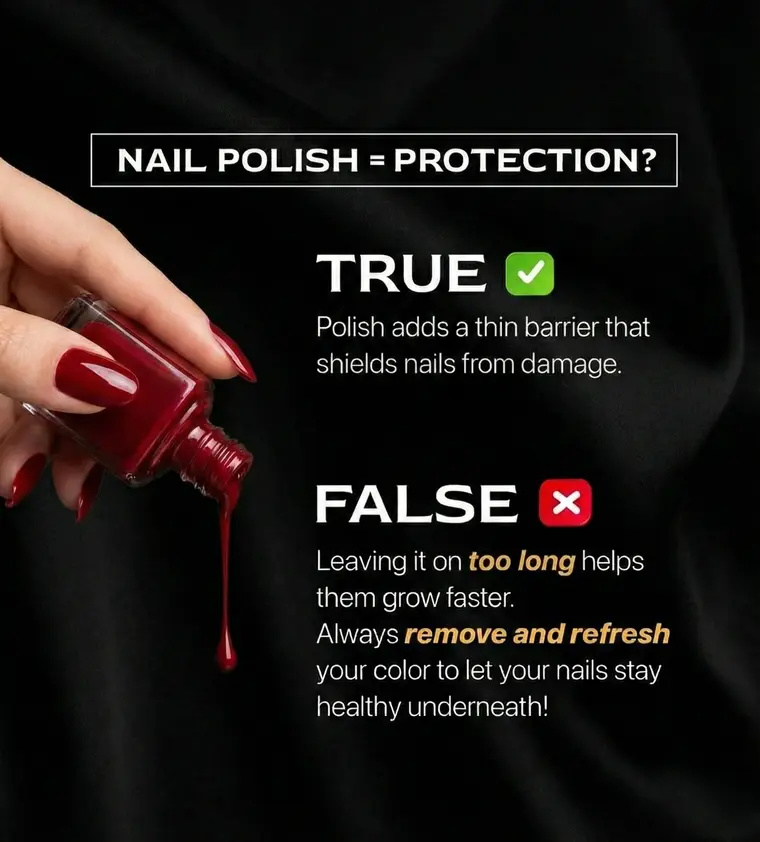
Many people ask whether nail polish is beneficial or detrimental for their nails. Some think it shields nails from harm, while others worry it can cause weakening. The truth often falls somewhere in between.
At La Muse Beauty Bar in Thornton, we guide clients in understanding nail polish’s effects on nail health. Here’s what you should know about nail polish as a protective barrier and how to use it the right way.
True: Nail Polish Provides a Protective Layer
Nail polish adds a thin shield on your nails. When applied properly, it helps guard nails against minor physical damage, environmental factors, and dehydration.
1. Forms a Physical Barrier
Once set, polish forms a solid cover on the nail’s surface, shielding it from scratches, light bumps, and daily friction like typing and cleaning. This reduces the chances of nails weakening from repeated contact.
2. Minimizes Water Intake
Nails easily absorb water, causing them to swell and then shrink. This repeated process can weaken nails. Polish acts as a seal, limiting how much water your nails take in and helping maintain their structure.
3. Decreases Breakage
With a smooth, polished surface, nails are less likely to snag or split. This reduces issues with catching or breaking during daily activities.
4. Helps Retain Moisture
Polish helps lock in the nail’s natural oils, improving flexibility and reducing instances of cracking or peeling.
False: Keeping Polish On Long-Term Boosts Growth
There is a belief that leaving polish on for extended periods encourages nail growth and strength. This is not accurate.
1. Accumulates Moisture and Bacteria
Old polish can trap moisture and encourage growth of bacteria or fungus, possibly leading to infection or discoloration.
2. Hinders Nail Assessment
Wearing polish too long makes it difficult to spot problems beneath the surface, such as damage or color changes, which can become serious if unnoticed.
3. Causes Staining
Darker polish, especially without a base coat, can stain nails over time. The longer it remains, the more likely discoloration will happen.
4. Makes Nails Fragile
Continuous wear of polish, without routine removal, can gradually make nails brittle due to ongoing exposure to chemicals.
Best Practices for Using Nail Polish Safely
To benefit from nail polish without unwanted effects, consider these steps:
1. Begin with a Base Coat
A base coat protects natural nails from staining and helps polish apply smoothly and last.
2. Change Polish Regularly
Freshen your polish every 7–14 days. Gel polish should be removed after 2–3 weeks to avoid buildup and potential harm.
3. Allow Occasional Polish-Free Breaks
Take occasional breaks to help your nails recover, especially if you notice yellowing or dryness. During this time, hydrate your nails and cuticles.
4. Use Gentle Removal Techniques
Pick acetone-free remover when you can and avoid peeling polish off. For gels, soak off or get professional removal to maintain nail health.
5. Maintain Hydration
Apply cuticle oil to keep nails flexible, both during and between polish applications.
Signs Your Nail Care Routine May Be Causing Harm
Be alert for these indicators:
- Yellowing or discoloration
- Nails that appear dry or brittle
- More frequent white spots or ridges
- Nails that start peeling or flaking
- Increased breakage, even with polish
If any occur, pause your polish routine and focus on nail recovery and daily moisture.
Maintain Nail Health and Appearance
Using nail polish properly can give your nails both protection and an attractive look. Refreshing your color regularly and monitoring nail condition will help keep your nails at their best.
📞 Call to book: (303) 280-0770
📍 Location: 10078 Grant St, Thornton, CO 80229
Healthy, beautiful nails are always the goal at La Muse Beauty Bar .